
Launch - LC-39B
MET +0.0h
SLS lifts off from Kennedy Space Center.
Human lunar flight telemetry
Track Orion's simulated live position, richer mission telemetry, and embedded mission video coverage in one mission-control style homepage.
Mission video
Coverage
Embedded mission video for users who want telemetry and video side by side.
Telemetry sync
Use the live metrics panel to compare mission video commentary with simulated flight status.
Current phase
Mission complete
Mission scrubber
Selected MET
T+9d 18:00
Mission date
Apr 11, 16:35
Mission progress
100.0%
Live tracker MET
T+9d 18:00
Current phase
Mission complete
Next maneuver
Live ETASplashdown - Pacific Ocean
Recovery forces retrieve the Orion crew module.
Spacecraft velocity
850
km/h
Mach 0.7
Distance from Earth
16,845
km
Record 4.2%
Distance from Moon
189,151
km
Relative 0 km/h
Signal one-way
0.06
seconds
Round trip 0.11 s
Altitude above Earth
16,845
km
G-force 4.80 g
Cumulative path
932,000
km
0.0 h remaining
Cabin temperature
21.8
deg C
Sunlit hull 89 deg C
Comms status
REENTRY PLASMA RISK
link
Heatshield 2,180 deg C
Mission trajectory graphic
Passed track
Bright cyan segment shows the arc completed at the selected mission moment.
Future track
Dashed blue line shows the remaining route after the current or preview position.
Current range
16,845 km from Earth and 189,151 km from the Moon.
Mode
Real-time mission mode synced to current wall clock.
System health
Mission timeline
Launch - LC-39B
MET +0.0h
SLS lifts off from Kennedy Space Center.
MECO + LAS Jettison
MET +0.1h
Core stage separation and ascent abort system jettison.
Solar Array Deploy
MET +0.3h
Orion deploys all four solar arrays.
ICPS Burns
MET +0.8h
Parking orbit raise and setup burns.
Proximity Ops Demo
MET +4.5h
Crew tests Orion handling near the ICPS stage.
ICPS Disposal
MET +5.5h
Interim Cryogenic Propulsion Stage disposal maneuver.
High Earth Orbit
MET +24.0h
Crew completes checkout while in high Earth orbit.
Translunar Injection
MET +25.5h
A 30-minute burn sends Orion toward the Moon.
Trajectory Correction 1
MET +72.0h
Outbound mid-course correction burn.
Trajectory Correction 2
MET +96.0h
Pre-flyby trim burn before lunar encounter.
Lunar SOI Entry
MET +118.0h
Orion enters the Moon gravitational sphere of influence.
Closest Approach - Moon
MET +130.0h
Approx. 9,650 km above the lunar surface.
Human Distance Record
MET +131.0h
Projected to exceed the Apollo 13 distance record.
Far Side Blackout
MET +132.0h
Communications blackout behind the Moon for about 45 minutes.
Free-Return Slingshot
MET +140.0h
Lunar gravity redirects Orion back toward Earth.
Radiation Shielding Test
MET +192.0h
Crew conducts deep-space radiation surveys.
Reentry Preparation
MET +216.0h
Cabin and recovery systems are configured for return.
CM / SM Separation
MET +232.0h
Crew module separates from service module.
Atmospheric Reentry
MET +233.5h
Heat shield reaches peak thermal load.
Splashdown - Pacific Ocean
MET +234.0h
Recovery forces retrieve the Orion crew module.
The crew
The most diverse deep-space crew in history. Each astronaut carries a milestone that permanently changes the human lunar timeline.
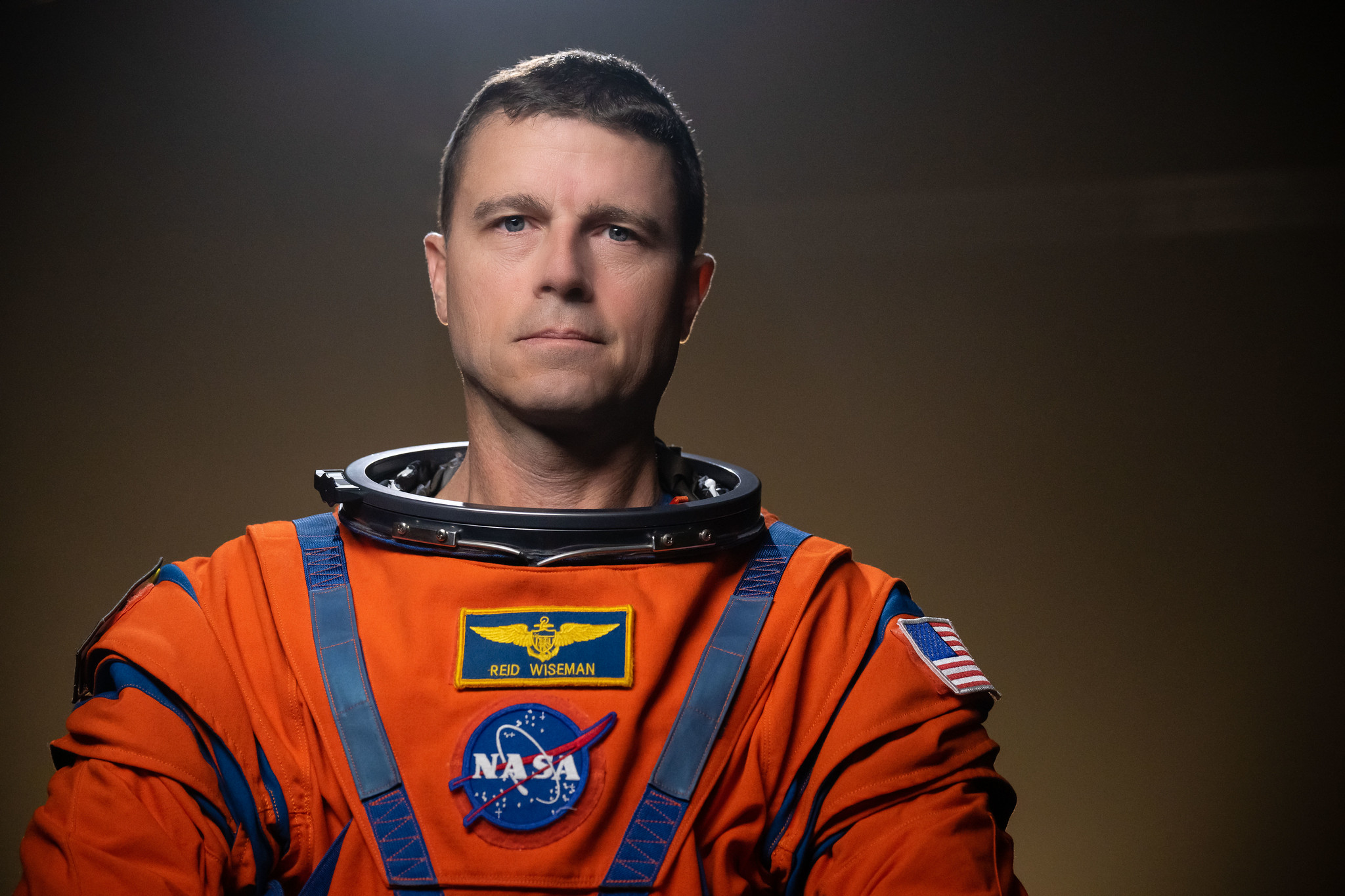
Commander
NASA · USA · CDR-01
Historic first
Leads the first Artemis crewed lunar mission.
Mission commander responsible for vehicle command, crew coordination, and final go or no-go decisions.
Wiseman is a former NASA chief astronaut and the crew lead for Artemis II mission execution from launch through splashdown.
Primary focus
Mission command and deep-space operations
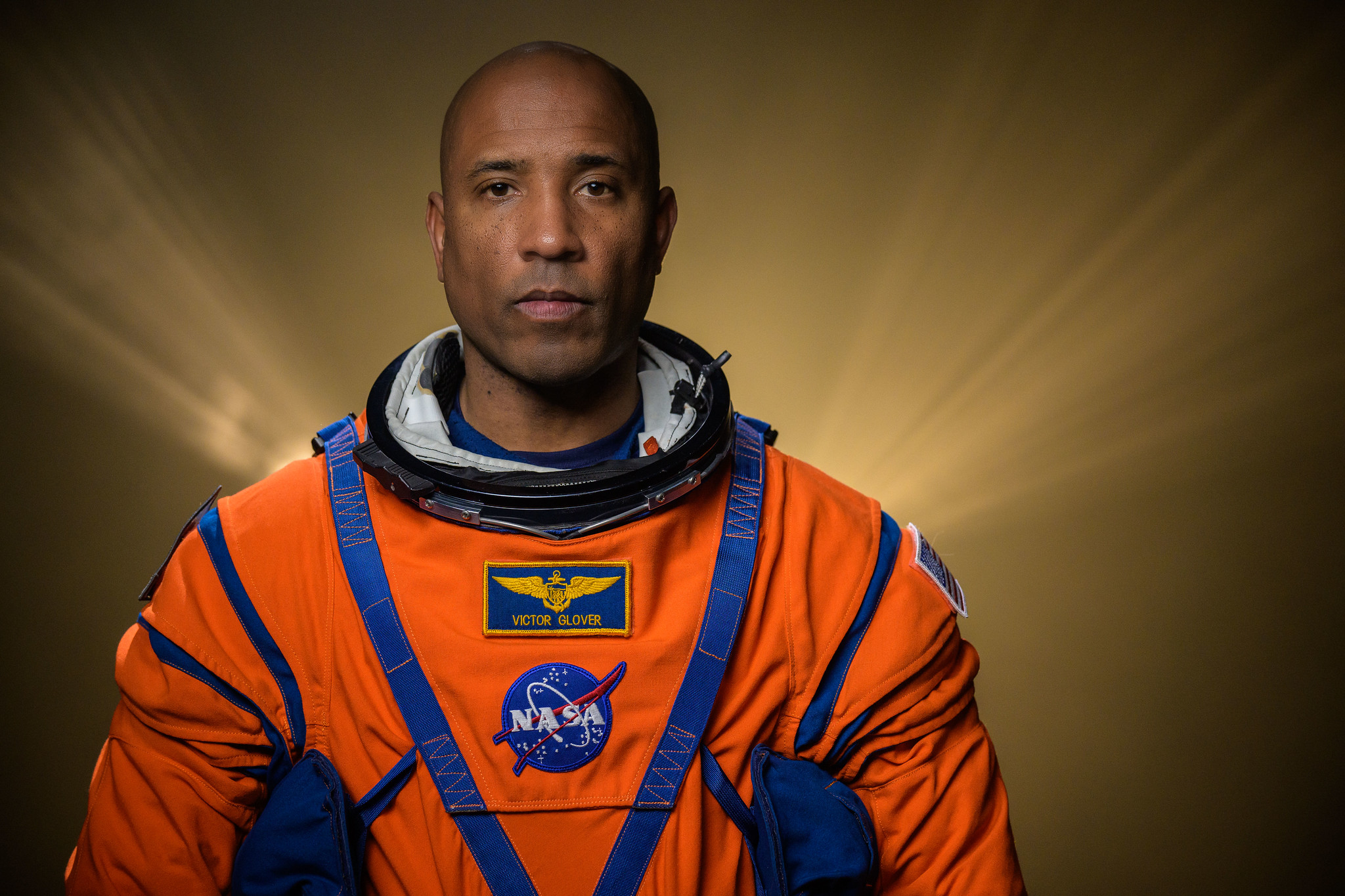
Pilot
NASA · USA · PLT-02
Historic first
First person of color to travel beyond low Earth orbit.
Primary spacecraft pilot overseeing guidance workflows, attitude awareness, and crew vehicle systems.
Glover supports navigation, flight systems, and high-value piloting demos during the outbound and return phases.
Primary focus
Vehicle piloting and systems monitoring
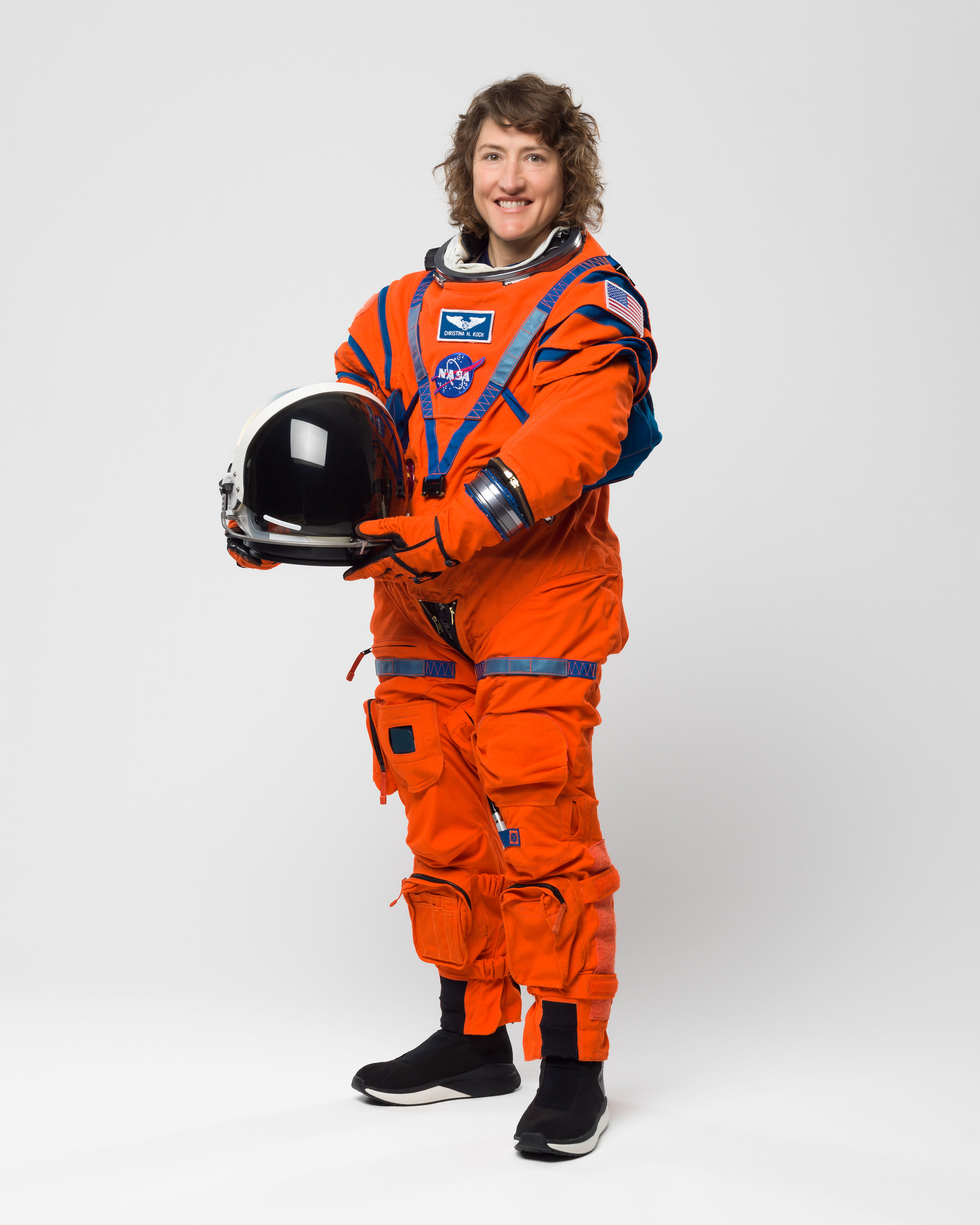
Mission Specialist 1
NASA · USA · MS1-03
Historic first
First woman assigned to travel beyond low Earth orbit.
Leads crew procedures, science operations, and onboard timeline execution throughout the mission profile.
Koch brings long-duration spaceflight experience and anchors the mission specialist workload across the translunar flight plan.
Primary focus
Science operations and procedural execution
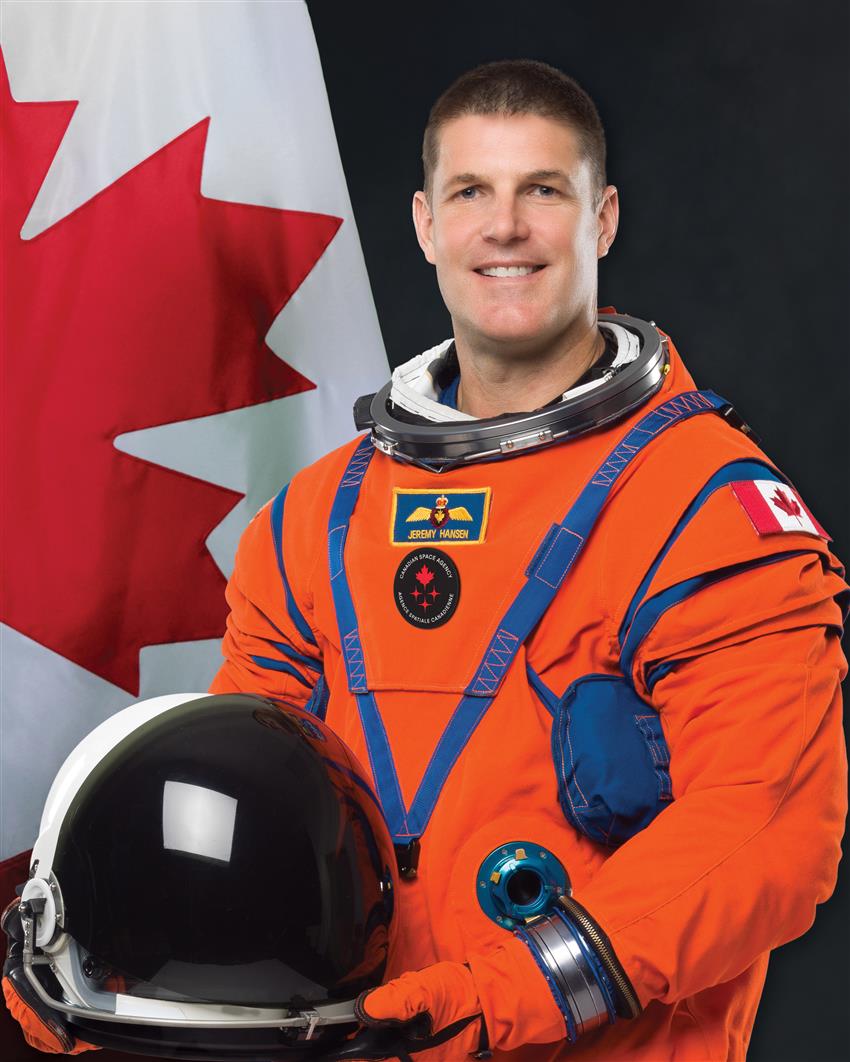
Mission Specialist 2
CSA · Canada · MS2-04
Historic first
First non-US astronaut assigned to a lunar flyby mission.
Supports mission communications, international mission coordination, and navigation task execution.
Hansen represents the Canadian Space Agency on the first international crewed lunar mission of the Artemis era.
Primary focus
Communications and international operations
Artemis 2 Tracker is a real-time mission visualization experience for NASA's first crewed lunar flight of the Artemis era. It models Orion's position, velocity, distances from Earth and Moon, and current mission phase using the published Artemis II timeline.
The dashboard combines a trajectory map, mission elapsed time, key maneuver countdowns, crew context, and structured search-friendly content around the mission.
| Launch Date | April 1, 2026, 6:35 PM EDT |
|---|---|
| Launch Vehicle | Space Launch System Block 1 |
| Spacecraft | Orion |
| Crew Size | 4 astronauts |
| Mission Duration | ~234 hours |
| Closest Lunar Flyby | ~9,650 km from surface |
| Record Distance | 400,171+ km from Earth |
| Recovery Zone | Pacific Ocean |
The tracker aligns a mission clock to the official launch time of April 1, 2026, 22:35 UTC and maps milestone windows to live states.
Speed, g-load, signal delay, temperatures, and distance metrics are simulated from phase-specific ranges and orbital waypoints.
A figure-8 inspired Earth-to-Moon path is rendered in canvas with zoom controls, giving users a visual sense of the outbound coast, flyby, and free-return arc.
Artemis II launched on April 1, 2026, at 6:35 PM EDT, which is 22:35 UTC.